Lebanon: Returns begin as ceasefire takes effect, but risks remain
UN peacekeepers in southern Lebanon have not detected projectiles fired from north to south or airstrikes in the area of operations since midnight, UN Spokesperson Stéphane Dujarric said.
Briefing reporters in New York, he noted that displaced families have begun returning to parts of Beirut’s southern suburbs and southern Lebanon, including areas in Nabatieh and Tyre.
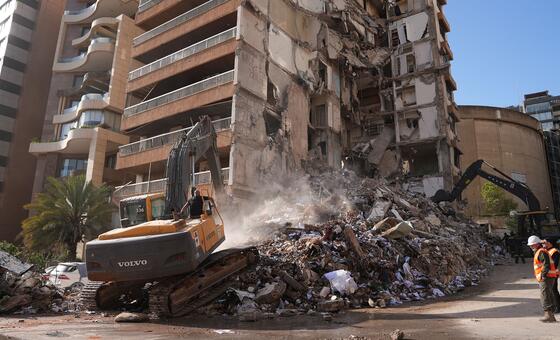
Thousands were seen travelling south, with major roads congested despite extensive damage to bridges and infrastructure. Temporary repairs have been put in place to facilitate movement.
However, humanitarian partners warn that significant risks remain, including unexploded ordnance in residential areas.
“As of 5 PM in Lebanon today, 113,000 people were in collective shelters, down from 141,000 yesterday,” he added, noting that about 1.2 million people were uprooted during the escalation.